
Fix the system behind asset performance.
Two6 helps industrial and asset-intensive organisations improve lifecycle value by strengthening how assets are acquired, operated, maintained and renewed.
We work with operations and engineering leaders to define what good looks like, identify the organisational failure modes limiting performance, and build the capability to improve — without creating dependency on consultants.
Asset management is bigger than maintenance.
Asset management is the way an organisation makes better decisions across the asset lifecycle. Acquire. Operate. Maintain. Renew or replace. When those decisions are joined up, assets support growth, protect margin, manage risk and deliver reliable performance over time.
Acquire
Capital decisions that build reliability, maintainability and lifecycle value in from the start.
Operate
Operating routines that protect performance and make issues visible early enough to act.
Maintain
Maintenance that is planned, risk-based, executable and linked to asset strategy.
Renew / Replace
Renewal and replacement decisions based on risk, performance, value and future demand.
Strategic and practical, in equal measure.
Two6 helps leaders improve lifecycle value by fixing the organisational failure modes behind asset performance. Here is where to go next.
How We Work
We diagnose the organisational failure modes behind poor asset performance, then coach and support the routines that make improvement stick — building capability, not dependency.
How we workCapability Programmes
Practical programmes across Capex, Maintenance and AI & Data — turning diagnosis into sustained improvement and a more capable organisation.
See the programmesProof
Proof from real operating environments — anonymised, specific work across Capex, Maintenance and AI & Data, grounded in real asset-intensive organisations.
See the proofAbout Two6
Built from operational reality. Led by Richard and Jeff — 20+ years of shared experience and director-level accountability across industrial environments.
Meet Two6Getting beyond polite workshop answers.
Our maintenance maturity cards help teams talk honestly about the behaviours, roles and blockers that shape reliability. Senior practitioners respond to them because they reflect real operating environments. No jargon. No blame.
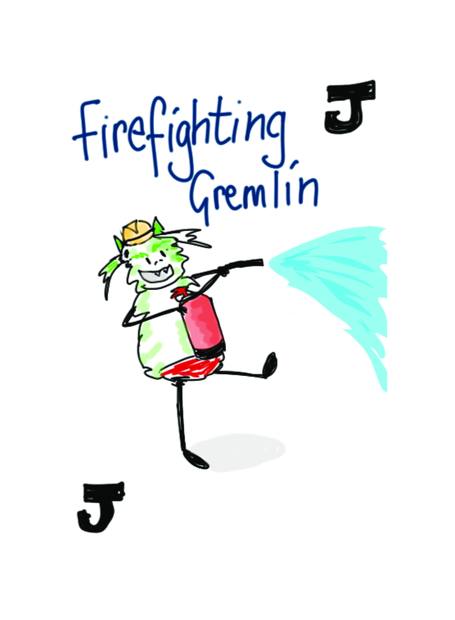
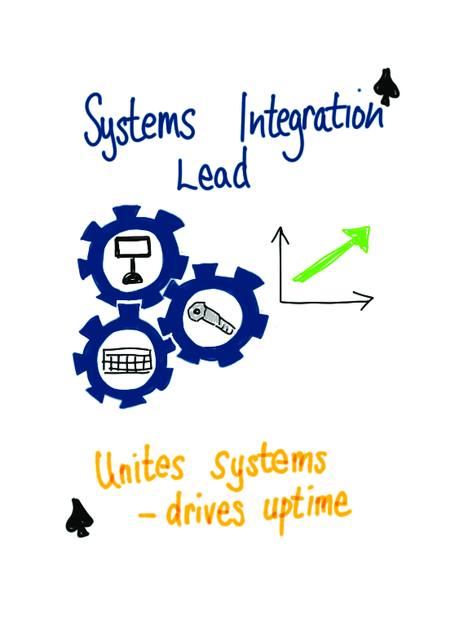
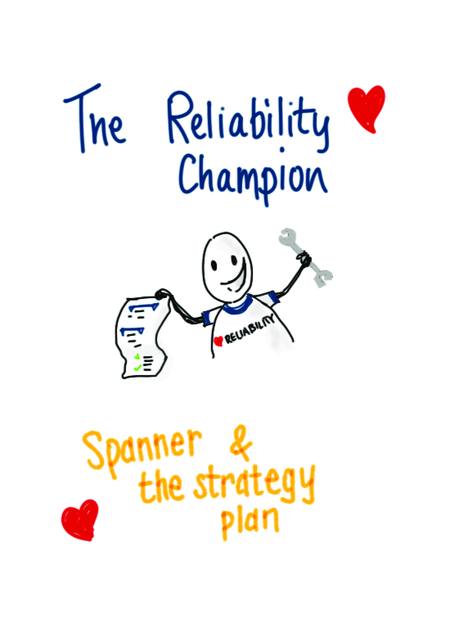
They make it easier to have serious conversations without defaulting to blame or jargon. Explore the full deck of cards.
Trying to improve asset performance?
Start with a conversation about what good looks like, what organisational failure modes are getting in the way, and what capability needs to be built next.